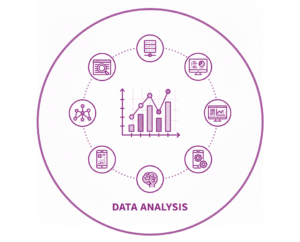
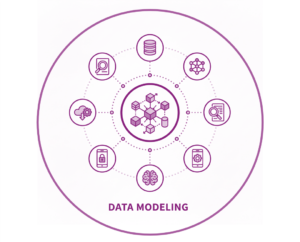
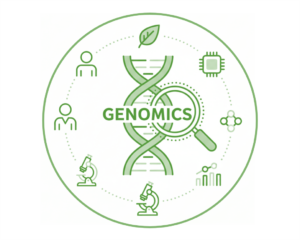
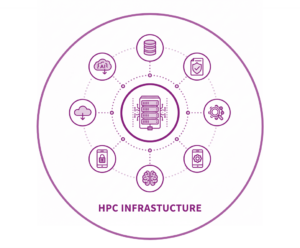
I am a Senior Staff Scientist at the Institute for Biomedical Technologies of the National Research Council (ITB-CNR), where I conduct research at the intersection of computational biology, high-performance computing, and artificial intelligence. My work focuses on the design of scalable analytical pipelines for single-cell and spatial omics, multi-omics integration, and immune-repertoire profiling. I develop HPC-oriented workflows that combine statistical modelling, machine learning, and modern AI approaches to extract robust biological insights from large and heterogeneous datasets.
I collaborate closely with clinical and experimental partners, including research groups at IRCCS San Raffaele and the Fondazione Telethon, contributing computational leadership to projects in cancer biology, immunology, and gene therapy. A key part of my activity involves building automated, reproducible, and AI-augmented pipelines for cell-type annotation, variant interpretation, multi-omics harmonization, and structure-based modelling of biomolecules.
In addition to algorithmic development, I design web-based tools and interactive platforms that make advanced analyses accessible to multidisciplinary teams, ensuring usability, reproducibility, and efficient integration with institutional HPC infrastructures. I also support the planning and optimization of computational environments, including GPU-accelerated workflows and cloud-enabled solutions.
My overarching goal is to bridge cutting-edge computational methods with real biological and clinical questions, enabling data-driven discoveries and advancing the technological capabilities of the CNR research ecosystem through strong collaborations and innovative computational solutions.
Research Activities
Computational analysis and pipeline development for genomics data (bulk, single-cell, spatial genomics data)
Transcriptomic analysis of cancer cells, stem cells, organoids, human and murine tissues in disease models
Application of advanced statistical methods, machine learning, deep learning, explainable AI (XAI), and data mining for predicting pathological mechanisms, identifying disease biomarkers and supporting patient stratification.
Development, application and optimization of automated pipelines for the analysis of genomics, epigenomics and transcriptomics data for large-scale studies.
Deployment and application of automated analysis pipelines for the analysis of bulk, single-cell and spatial transcriptomics data.
TCR/BCR profiling and multi-modal data integration for immunological studies
To provide the best experiences, we use technologies like cookies to store and/or access device information. Consenting to these technologies will allow us to process data such as browsing behaviour or unique IDs on this site. Not consenting or withdrawing consent, may adversely affect certain features and functions.
Functional
Always active
The technical storage or access is strictly necessary for the legitimate purpose of enabling the use of a specific service explicitly requested by the subscriber or user, or for the sole purpose of carrying out the transmission of a communication over an electronic communications network.
Preferences
The technical storage or access is necessary for the legitimate purpose of storing preferences that are not requested by the subscriber or user.
Statistics
The technical storage or access that is used exclusively for statistical purposes.The technical storage or access that is used exclusively for anonymous statistical purposes. Without a subpoena, voluntary compliance on the part of your Internet Service Provider, or additional records from a third party, information stored or retrieved for this purpose alone cannot usually be used to identify you.
Marketing
The technical storage or access is required to create user profiles to send advertising, or to track the user on a website or across several websites for similar marketing purposes.