After obtaining a PhD from the University of Milan in January 2026, I am currently a research fellow at the Institute for Biomedical Technologies (ITB-CNR, Segrate). Thanks to my advanced skills in evolutionary biology, R, Python and bioinformatics applied to omics data analysis, my research integrates pharmacogenomics, population genetics and translational medicine. Since 2021, I have contributed to the AIRC MFAG 2019 project (PI: Dr. Francesca Colombo), focusing on the pharmacogenomics of opioid response for the treatment of cancer pain in advanced cancer patients. I also work in the field of genetic epidemiology of infectious diseases, with studies on COVID-19 mortality and genetics of Long COVID. Since 2024, I have been a visiting researcher in Dr. Hanna M. Ollila’s group at the Institute for Molecular Medicine Finland (FIMM, University of Helsinki), where I conduct genetic analyses of complex traits related to dysautonomia and sleep disorders, using large international biobanks.
Research Activities
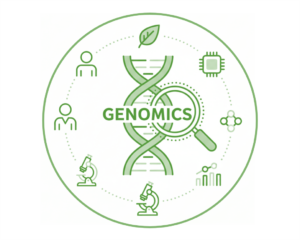
Genome-wide association studies (GWAS) for the identification of germline variants associated with diseases, other binary phenotypes and quantitative traits.
Genome assembly of high resolution, haplotype resolved genomes and polymorphism characterization
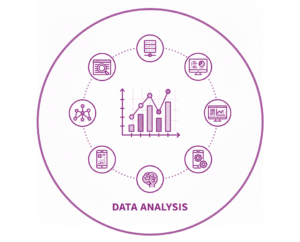
Application of advanced statistical methods, machine learning, deep learning, explainable AI (XAI), and data mining for predicting pathological mechanisms, identifying disease biomarkers and supporting patient stratification.
Development, application and optimization of automated pipelines for the analysis of genomics, epigenomics and transcriptomics data for large-scale studies.
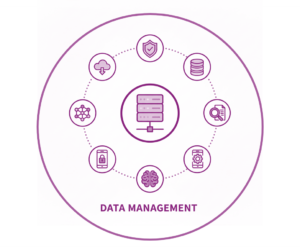
Management and harmonization of biomedical data through organization, curation, and integration of heterogeneous health and research datasets into standardized formats.
Implementation of studies that combine classical epidemiological methods with high-throughput technologies to reveal the intricate relationship between molecular profiles, environmental exposures, and disease risk.
To provide the best experiences, we use technologies like cookies to store and/or access device information. Consenting to these technologies will allow us to process data such as browsing behaviour or unique IDs on this site. Not consenting or withdrawing consent, may adversely affect certain features and functions.
Functional
Always active
The technical storage or access is strictly necessary for the legitimate purpose of enabling the use of a specific service explicitly requested by the subscriber or user, or for the sole purpose of carrying out the transmission of a communication over an electronic communications network.
Preferences
The technical storage or access is necessary for the legitimate purpose of storing preferences that are not requested by the subscriber or user.
Statistics
The technical storage or access that is used exclusively for statistical purposes.The technical storage or access that is used exclusively for anonymous statistical purposes. Without a subpoena, voluntary compliance on the part of your Internet Service Provider, or additional records from a third party, information stored or retrieved for this purpose alone cannot usually be used to identify you.
Marketing
The technical storage or access is required to create user profiles to send advertising, or to track the user on a website or across several websites for similar marketing purposes.