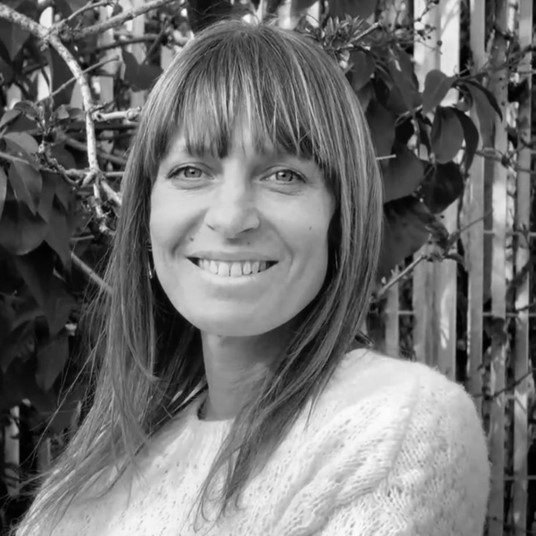
I am a Senior Researcher and nutritional epidemiologist at ITB-CNR. My academic background is in human nutrition, physiology, and epidemiology (MSc and PhD, University of Milan), followed by a one-year postdoctoral visiting appointment at the Karolinska Institutet (Sweden) and a subsequent role as Principal Investigator at the IRCCS Mondino Foundation (Pavia). Since joining ITB CNR in 2008, my research has focused on understanding how clinical, biological, and behavioural factors-particularly dietary habits-shape the development and progression of complex diseases. My work spans neurodegenerative, metabolic, and respiratory disorders, as well as mortality. Over the years, I have gained solid experience in designing and implementing observational and interventional epidemiological studies, conducting large-scale online surveys across the lifespan, and applying advanced statistical approaches. More recently, I have been adopting a molecular epidemiology framework that integrates population-based cohorts with neuroimaging, multi-omics technologies, and nutritional and clinical phenotyping. This approach aims to clarify the mechanisms linking diet, gut microbiota, metabolism, and brain health to support precision nutrition strategies and the prevention of chronic diseases. I work collaboratively within multidisciplinary teams that include clinicians, epidemiologists, biostatisticians, biologists, and bioinformaticians, and I actively contribute to national and international research projects as PI, co-investigator, or WP/Task leader. I maintain active collaborations within CNR Institutes and with partners such as the IRCCS Mondino Foundation (Pavia), IRCCS Galeazzi – Sant’Ambrogio (Milan), University of Ferrara, German Centre for Neurodegenerative Diseases (DZNE) (Germany), Karolinska Institutet (Sweden), Queen’s University Belfast (UK), and the University of Dublin (Ireland).